
The Berry Secret You Haven't Heard Of — Until Now
What Haskap Reveals About the Superfoods We've Been Overlooking
Opening the Case
It started at a women’s show in January. One small jar. One homemade biscuit, baked with flour-dusted love by a daughter and an enthusiastic four-year-old grandson. One taste — and everything I thought I knew about berries quietly rearranged itself.
That jar of haskap jam came home with me, was placed carefully in the refrigerator, and has been rationed with a discipline I did not know I possessed. Three months. One jar. You do the math.
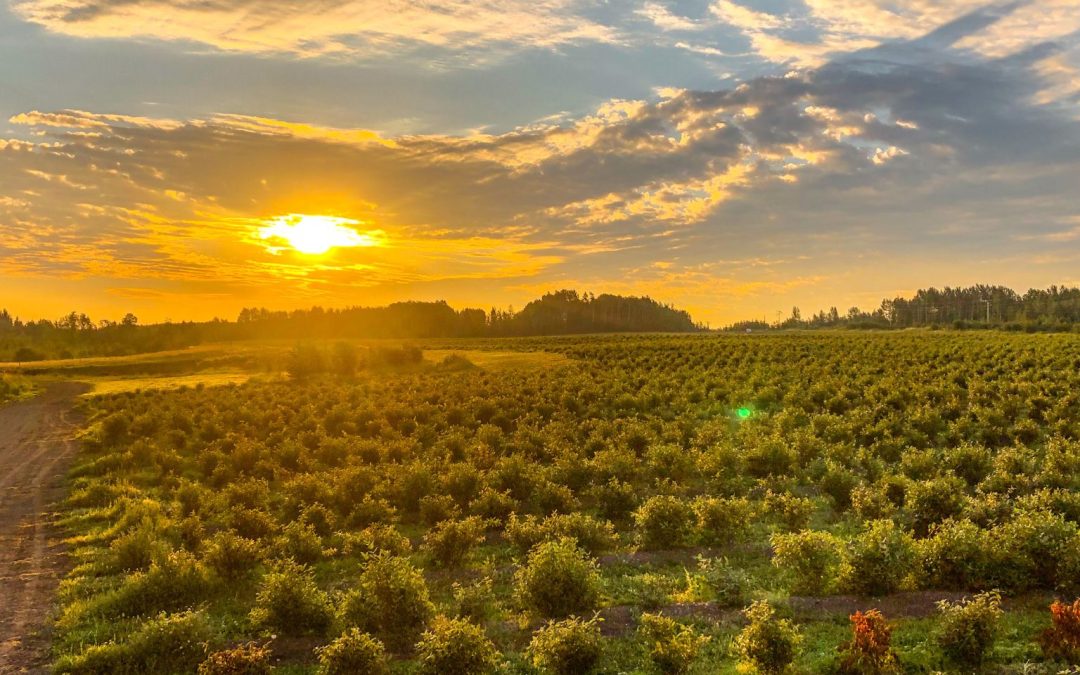
When I finally admitted the rationing was unsustainable, I went looking for more. Couldn’t find it at Thrifty’s. Not at Loblaws. Not at Safeway or Save-On. (A gentle but firm message to all of you: wake up. This berry is coming for your shelves whether you’re ready or not.) I ended up ordering two cases directly from Hasberry Farms in Chetwynd, BC — and now I’m also trying their extract. No regrets.
But here’s what really caught my attention as the Health Detective: once I started digging into what haskap actually does inside the body, this stopped being a story about jam. It became something far more interesting.
This isn’t about the next food trend — it’s about understanding what’s really happening when you eat something that’s been celebrated for longevity and vision for centuries. The science behind haskap is worth investigating.
What Exactly Is a Haskap Berry?
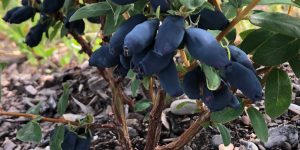
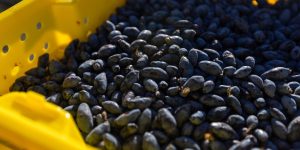
In Canada, haskap has been cultivated since the 1950s, though it remains relatively obscure in mainstream grocery stores. Hasberry Farms, a family operation out of Chetwynd in northern BC, grows their berries from varieties specifically cultivated by the University of Saskatchewan — chosen to prioritise nutritional density over sheer volume. The result is a deep-blue, elongated berry with what I can only describe as a bold, complex flavour: more tart than a blueberry, richer than a grape, with something a little wild underneath.
If someone you care about is always looking for genuinely nourishing foods that don’t taste like medicine — this is worth sharing with them.
The Evidence: What the Science Actually Reveals
Anthocyanins — the real story
The deep purple-blue colour of haskap isn’t cosmetic. It’s a direct signal of anthocyanin concentration — the class of polyphenol compounds responsible for much of haskap’s health reputation. Research from Dalhousie University places haskap at approximately 200 mg of anthocyanins per 100 g of fresh weight. That puts it on par with elderberry and lingonberry, well above wild blueberries and cranberries, and in genuinely impressive company on the polyphenol spectrum.
Anthocyanins are potent antioxidants — molecules that neutralise free radicals before they can damage cells. What makes this relevant to daily life isn’t abstract chemistry; it’s the downstream effects. Oxidative stress is a key driver of accelerated ageing, inflammation, cardiovascular disease, cognitive decline, and impaired blood sugar regulation. Eating foods that actively reduce oxidative load is one of the most evidence-supported things you can do for long-term health.
Eye health — the “fruit of vision” connection
Japan’s traditional use of haskap for vision isn’t just folklore. Anthocyanins — particularly those in the cyanidin-3-glucoside family, which haskap contains in significant quantities — support retinal health by protecting the photoreceptors in the eye from light-induced oxidative damage. They also support circulation to the small blood vessels of the eye. For anyone spending long hours at screens, or noticing the kind of visual fatigue that tends to accumulate quietly over years, this is worth paying attention to.
Cardiovascular support
Haskap is rich in Vitamin C, Vitamin A, and potassium — three nutrients with well-established roles in cardiovascular function. Vitamin C supports the structural integrity of arterial walls and contributes to collagen synthesis. Potassium helps regulate blood pressure by counterbalancing sodium’s effects on fluid retention. Anthocyanins themselves have been shown in multiple studies to reduce LDL oxidation — one of the early steps in arterial plaque formation.
Blood sugar balance
The polyphenols in haskap appear to slow glucose absorption and improve insulin sensitivity. This isn’t a dramatic effect — it’s the steady, cumulative kind that comes from consistently including high-polyphenol foods in your diet. Combined with the berry’s natural fibre content, which further moderates the glycaemic impact of meals, haskap supports the kind of even blood sugar that keeps energy stable through the afternoon.
Brain and cognitive function
Anthocyanins cross the blood-brain barrier — a fact that elevates them from “good for you in general” to specifically relevant for neurological health. Research links anthocyanin intake to improved memory consolidation, reduced neuroinflammation, and protection against age-related cognitive changes. The mechanism involves both direct antioxidant protection of neurons and support for cerebral blood flow.
Immune and digestive health
Haskap’s Vitamin C and A content directly supports immune function — Vitamin C for white blood cell activity and Vitamin A for the integrity of mucosal barriers (the first line of defence in the gut and respiratory tract). The dietary fibre feeds beneficial gut bacteria, which in turn influences everything from immune response to mood regulation via the gut-brain axis.
What haskap brings to the table
- Anthocyanins (polyphenols): powerful antioxidant and anti-inflammatory activity; supports eye, brain, and cardiovascular health
- Vitamin C: immune support, collagen synthesis, arterial wall integrity, iron absorption
- Vitamin A: eye health, mucosal barrier integrity, immune function
- Potassium: blood pressure regulation, fluid balance, nerve and muscle function
- Dietary fibre: gut microbiome support, blood sugar moderation, digestive regularity
How to Actually Use Haskap
Hasberry Farms offers their haskap in four forms, each with its own place in a practical routine.
The extract is the most concentrated option — a full-body flavour with real punch that mixes easily into drinks, both alcoholic and not. The jam (which I can personally confirm is worth a three-month rationing exercise) works beautifully on anything from biscuits to yoghurt to toast. Frozen berries blend into smoothies seamlessly or stir into oat-based breakfasts. And the topping — rich and deeply flavoured — is the kind of thing that makes a weekend pancake breakfast feel like a completely different occasion.
Recipes courtesy of Hasberry Farms | hasberryfarms.ca
Three ways to use the extract
Berry Bubbly: Half a glass of Hasberry extract, a third glass of apple juice, topped with sparkling lime water and a lime slice. Tart, refreshing, and convincing enough for a Friday evening.
Ginger Snap: Half extract, half ginger ale over ice. Zesty and bold — the kind of thing that wakes you up without caffeine.
Berry Spark: A splash of extract in sparkling water. Simple. Sophisticated. The one I’ll be making every morning.
When to Pay Closer Attention
Haskap is a food, not a pharmaceutical — and adding it to your diet is genuinely low-risk. That said, a few things are worth noting:
- If you’re managing blood sugar with medication, adding high-polyphenol foods consistently can shift your glycaemic response. Worth mentioning to your healthcare provider.
- If you’re on blood-thinning medication, the Vitamin K content in berries (generally low but worth noting) is a conversation to have with your doctor.
- If digestive symptoms arise when increasing fibre intake — bloating, cramping — start with smaller amounts and increase gradually.
- Haskap products are currently most easily sourced directly from producers. If you’re in the lower mainland, ordering from Hasberry Farms ships directly to you: hasberryfarms.ca, (236) 900-3100.
Closing the Case
Here’s what the evidence reveals: haskap is not a trend. It’s a berry with centuries of traditional use, a growing body of modern research, and a flavour profile that genuinely earns the devotion of people who discover it. The fact that it’s still sitting quietly outside mainstream grocery stores is a missed opportunity — for the stores, and for everyone who hasn’t yet had the experience of tasting it for the first time on a warm biscuit, made by people who love you.
The good news: you don’t have to search Safeway, Save-On or Loblaws. You can order it directly from the people who grow it, in northern BC, without pesticide sprays, prioritising quality over convenience.
Sometimes the best health decisions start with a small jar at a women’s show. Start there. You can thank the four-year-old baker later.
Images courtesy of Hasberry Farms, Chetwynd, BC | hasberryfarms.ca
This information is for educational purposes and doesn’t constitute medical advice. Always consult healthcare providers about any health concerns or changes to your diet, particularly if you are managing a chronic condition or taking medication.

More to Explore

The Guest House: When Emotional Patterns Become Metabolic Dysfunction
Uncover the real truth about how emotional patterns create metabolic dysfunction. The neuroscience behind what stress is doing to your digestion and bloodwork.

Perimenopause Bloating and Gas: What Nobody Tells You
It’s not your diet. It’s not in your head. The Health Detective decodes what’s actually happening in your gut — and what to do about it.
Micro-Coping & Aromatherapy: What Your Nose Knows About Stress
Uncover the real truth about micro-coping and aromatherapy nasal inhalers. Who benefits, who should be cautious, and what the science actually reveals.