
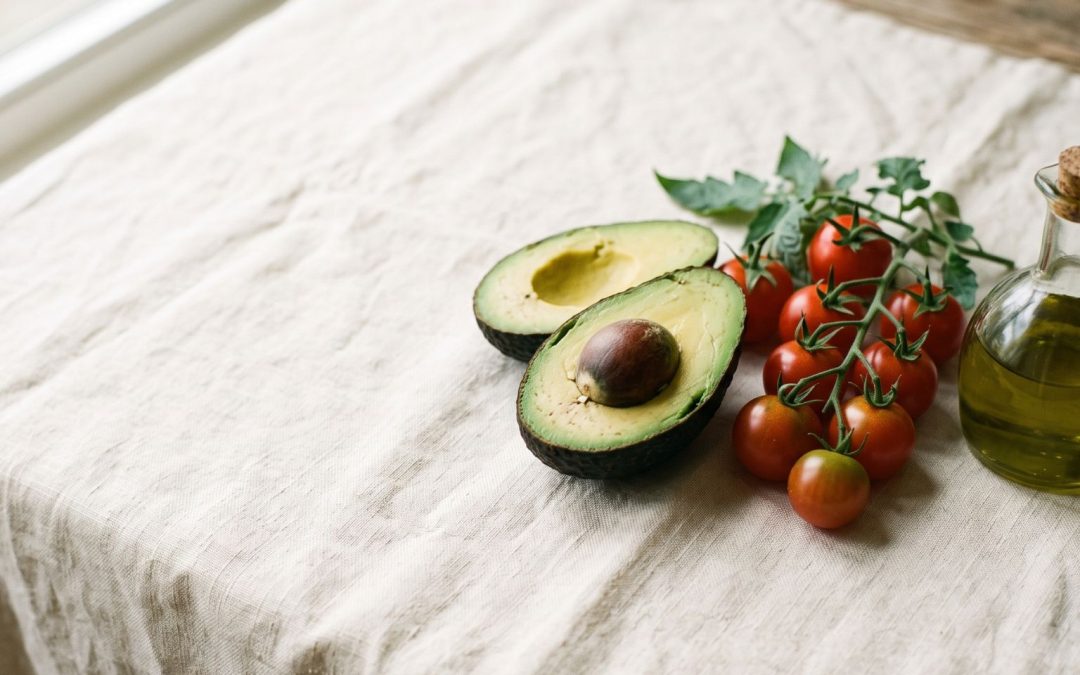
5 Smart Food Pairings for Better Nutrient Absorption
That viral "fat-soluble trio" post is half right. Underneath it sits the gentle seasonal reset most of us actually need — five smart pairings, and the one humble nutrient that keeps turning up to clear the way.
Opening the Case
There’s a certain kind of food post that stops your thumb mid-scroll. Beautiful plate. Bold claim. Something about eating this with that so your body “actually absorbs the nutrients instead of flushing them out.”
The one that landed in front of me this week had spinach, eggs, and avocado, and it called them a fat-soluble vitamin trio. And here’s the thing I want to say before anything else: it’s not wrong. There’s real science holding that plate up.
But there’s a word in that caption doing a lot of dramatic heavy lifting — flushing — and once you understand what your body is actually doing, the story gets both more accurate and, honestly, more useful. Because the real headline isn’t which nutrients you’re eating. It’s which ones you’re keeping.
That’s a distinction I come back to constantly: you are not just what you eat. You are what you absorb. A plate can be full of good things and still hand most of them straight back to you, unused, if the conditions aren’t right. So let’s follow the clues on this one — the pairings that genuinely work, the myth worth clearing up, and one humble thread running through nearly all of it.
And the timing feels right, doesn’t it? The long weekend has quietly closed the summer, the notebooks are back out, and if the warm months involved a little holiday-style indulgence, there’s a familiar autumn pull to “reset.” The internet will sell you a cleanse for that. I’d rather hand you the gentle, real version — the one that runs straight through this whole story and asks nothing of your credit card. Consider this your new-season reset: the kind that’s actually about taking care of you.
One thing worth knowing about me before you read on: I don’t write from what’s trending. As a Registered Nutritional Therapist, my job is to go find the actual research behind a claim and bring you back what it really says — the nuance included, not just the headline.
Clue #1 — Why Some Vitamins Refuse to Travel Alone
Vitamins come in two temperaments. Some are water-soluble — vitamin C, the B family — and they mix happily into the watery parts of your food and your body. Others are fat-soluble — vitamins A, D, E, and K — and they will only dissolve into fat. No fat on the plate, no ride.
The carotenoids belong to this fat-loving crowd too. Those are the pigments that make certain plants deeply coloured: the lutein and zeaxanthin in spinach, the beta-carotene in leafy greens and carrots. (Lutein and zeaxanthin, by the way, are the two your eyes concentrate in the macula — a detail close to my heart, and one I’ll come back to in another case file.) They’re brilliant for you. They’re also stubborn. Eat them naked — a plain bowl of greens, undressed — and a surprising amount passes through without ever crossing into your bloodstream.
Add a little fat, and everything changes. The fat helps form the tiny transport droplets your small intestine needs to carry these compounds across the gut wall. The research here isn’t gentle-suggestion territory — it’s striking. In one human trial, adding avocado to a salad increased absorption of alpha-carotene, beta-carotene, and lutein to roughly 7, 15, and 5 times the levels people got from the very same salad without it. Another study found avocado boosted beta-carotene absorption several-fold and improved the body’s conversion of it into active vitamin A.
So the original post’s instinct is sound. Spinach brings the carotenoids. Avocado brings the monounsaturated fat that lets you actually use them. And the eggs? Here’s a bonus the caption skipped: egg yolk isn’t just protein and fat. It’s one of the most bioavailable sources of lutein and zeaxanthin there is — the fat and the pigment arriving in the same bite, already introduced. That trio is doing more than the post gave it credit for.
The tomato runs on the same rule, with a seasonal wrinkle worth knowing.
The post’s tomato pairing — tomatoes, olive oil, basil — is built on the same principle, and it holds up beautifully.
Lycopene is the carotenoid that makes tomatoes red, and it’s firmly in the fat-soluble camp. But it has a second quirk most people never hear about: it’s more absorbable cooked than raw. In a raw tomato, lycopene is mostly locked into a form your gut struggles with, bound tightly into the fruit’s cell walls. Gentle heat does two things — it breaks those walls open, and it nudges the lycopene into a shape your body absorbs more readily.
Put heat and oil together and the effect is real. In one study, people who ate tomatoes cooked with olive oil showed an 82% jump in blood lycopene, while those who ate them cooked without oil saw no meaningful change in that same form. So a slow-simmered tomato sauce with good olive oil isn’t just more delicious than a raw slice — for lycopene, it’s a genuinely more generous meal.
This is the part of food pairing I find most reassuring, actually. It’s not asking you to buy anything exotic. It’s telling you that the way your grandmother already cooked tomatoes was quietly, accidentally, exactly right.
🔍 DETECTIVE’S NOTE
A Quick Word on “Flushing”
One more thing worth clearing up before we move on, because the word matters: flushing.
Water-soluble vitamins — C and the Bs — genuinely do wash out. Your body doesn’t store much of them, so the excess leaves in your urine, which is exactly why they need topping up regularly. Fat-soluble vitamins behave the opposite way: your body tucks them into fat tissue and the liver, holding a reserve rather than flushing anything anywhere.
So what actually happens when you eat carotenoids without fat? Not flushing — simple non-absorption. The nutrient arrives at the gut wall, can’t form the fatty droplet it needs to cross it, and carries on out the way food goes out, not the way water does. Same destination, completely different mechanism — and a far more useful instruction than “don’t let it flush out” is simply “give it a fat escort so it can be absorbed at all.”
Clue #2 — Vitamin C and the Iron That Almost Got Away
The post pairs quinoa with black beans and finishes with lime — described, almost as an afterthought, as adding “brightness and vitamin C.” And I wanted to reach through the screen, because that squeeze of lime is not a garnish. In that bowl, it’s the whole absorption story.
Black beans carry iron. But it’s non-heme iron — the plant form — and non-heme iron is the shy one. Your gut absorbs it far less readily than the iron in meat, and beans come packaged with natural compounds called phytates that make it even harder to take up. On paper, a lot of that bean iron looks destined to pass you by.
Vitamin C changes the maths. It does two jobs at once: it converts the iron into the form your gut absorbs more easily, and it counters those phytates that were holding it back. Squeeze lime over black beans and you’ve quietly turned a mediocre iron meal into a considerably better one. Around 50mg of vitamin C alongside a plant-iron meal is the amount shown to make a real difference — roughly what you’d get from that lime, or a handful of chopped peppers, or a few strawberries on the side.
One honest caveat, because I’d rather you trust me than dazzle you: this effect is at its most dramatic within a single meal. Its influence on your iron levels over months and years is real but more modest — food is a long game, not a one-plate rescue. Still, as a small habit repeated across a thousand meals? Genuinely worth building in. This is what a smart pairing actually is: not a superfood, just two ordinary foods placed side by side so your body gets to keep more of what you paid for.
🔍 DETECTIVE’S NOTE
One More Correction, While We’re in This Bowl
The post frames quinoa and black beans as combining “complementary amino-acid profiles” — the old idea that a grain needs a legume alongside it to build a complete protein, the way rice and beans famously do. It’s a lovely idea. It doesn’t quite apply here, because quinoa — technically a seed, not a grain — is already a complete protein on its own, unusually rich in the one amino acid, lysine, that most grains fall short on. It doesn’t need the beans to finish it off. It arrives finished.
Which doesn’t make the pairing pointless — far from it. Quinoa and black beans together still give you more total protein, a good hit of fibre, magnesium, and iron, and a meal that digests slowly enough to keep you full and your blood sugar steady. That’s the real reason to love this bowl, and it leads straight into something I know from the inside.
Clue #3 — The Vitamin That Needs a Second Nutrient to Switch On
You take your vitamin D — a supplement, or a plate of salmon — and reasonably assume the job is done. But vitamin D has to clear two separate hurdles before it does anything useful in your body, and most conversations about it only ever mention the first.
The first hurdle is the one we already met in Clue #1: vitamin D is fat-soluble, so it needs fat on the plate to be absorbed at all. Same rule, same fix — a fatty fish, an egg, a spoonful of nut butter alongside it.
The second hurdle is the one that usually gets skipped. Vitamin D arrives in your body inactive, and turning it into the form your cells can actually use takes two separate enzyme conversions — one in the liver, one in the kidney — and both of those enzymes run on magnesium. Without enough magnesium on hand, that assembly line slows or stalls, no matter how much vitamin D you’re taking. There’s even a third magnesium-dependent enzyme that clears active vitamin D once it’s done its job — so magnesium isn’t just the ignition switch, it regulates the whole system from start to finish.
Researchers looking directly at this found exactly what that mechanism predicts: people with low magnesium who were given vitamin D showed barely any change in their blood levels. Add magnesium back into the picture, and the same dose of vitamin D produced a real, measurable rise. The vitamin D was never the missing piece — the magnesium was.
This matters more than it should be allowed to, because magnesium shortfalls are common — nearly half of adults in North America fall short of what they need — which means a vitamin D supplement taken on top of an unaddressed magnesium gap is a bit like topping up a car with fuel while the ignition stays disconnected.
Smart Pairing: salmon, mackerel, or a vitamin D supplement, taken alongside a meal that includes both a source of fat and a source of magnesium — pumpkin seeds, a handful of almonds, or a serving of leafy greens. One plate, two hurdles cleared.
Clue #4 — Cruciferous Vegetables and the Exit Ramp Estrogen Needs
Broccoli, cauliflower, cabbage, kale, and Brussels sprouts contain compounds called glucosinolates, which convert — when you chew or chop them — into indole-3-carbinol, and then into a related compound called DIM once it reaches your gut. Sulforaphane, another compound in the same vegetables, does similar work. Together, they appear to nudge how your liver processes estrogen, shifting it toward a calmer, less proliferative form rather than a more reactive one. That’s the part most people have already heard. (One small upgrade, if you’re after more of this from less food: reach for broccoli sprouts instead of the mature vegetable. Young sprouts carry dramatically more of the compound your liver actually uses — early research put it at roughly ten to a hundred times the concentration found in fully grown broccoli.)
Here’s the part that usually gets left out: processing estrogen in the liver isn’t the same as getting rid of it. Once the liver has packaged those hormone metabolites for exit, they still have to travel out through the gut — and gut bacteria carry an enzyme called beta-glucuronidase that can reopen that package along the way, letting the estrogen slip back into circulation instead of leaving the body. Fibre is what stops that from happening. It binds to those processed metabolites in the gut and helps carry them out before beta-glucuronidase gets the chance to reactivate them.
Which is the real pairing: cruciferous vegetables do the processing, fibre builds the exit ramp. Eat the broccoli without enough fibre alongside it, and some of what your liver worked to clear gets quietly waved back in.
This is worth building in deliberately through perimenopause specifically, when estrogen is swinging rather than steadily declining — supporting both the processing step and the elimination step gives your body less opportunity to recirculate a hormone that’s already behaving unpredictably. None of this replaces hormone testing or medical care where that’s warranted; it’s food-level support for a system already carrying enough.
Clue #5 — The Immune Pairing Almost Nobody Names
Fermented foods — yogurt, kefir, sauerkraut, kimchi, miso — bring live bacterial cultures to the table. Think of that as the deposit. Prebiotic fibre — onions, garlic, leeks, asparagus, oats, a slightly green banana — is what those bacteria actually eat once they arrive. Think of that as the fuel. Fed well, gut bacteria produce short-chain fatty acids, particularly one called butyrate, which strengthen the seal between the cells lining your gut and help train your immune cells to respond appropriately rather than overreact.
A Stanford trial put this to a direct test. Over ten weeks, one group of adults ate fermented foods — yogurt, kefir, kimchi, kombucha — while another ate a high-fibre diet built from legumes, seeds, whole grains, and vegetables. The fermented-food group’s gut microbial diversity increased, and their blood levels of nineteen different inflammatory markers dropped, including interleukin-6, a marker tied to chronic inflammatory conditions. Four types of immune cells showed calmer activation by the end of the trial. The high-fibre-only group’s diversity, over that same ten weeks, barely moved.
That last finding isn’t an argument against fibre — it’s the whole point of this pairing. Fibre is the fuel; fermented food is what brings in the bacteria that actually use it. Fibre alone, in that trial, was fuel sitting in an under-stocked pantry. Together, they’re both halves of the same job, and neither does its best work carrying it alone.
The Thread That Clears the Way
It’s in the black-bean bowl, slowing sugar’s rise so your blood glucose lifts like a gentle hill instead of a cliff edge. It’s in the hormone pairing, escorting processed estrogen out through the gut before it can be reabsorbed. It’s in the immune pairing, feeding the gut bacteria that keep your defences trained. Same humble nutrient, three completely different rescues — which is exactly why I think of fibre as the thread that clears the way.
And here’s the part that makes this timely. Most of us are running on far too little of it. Canadian women are aiming for around 25 grams a day (21 once you’re past 50); the average Canadian manages somewhere between 14 and 17. Barely half. So if summer involved a bit of holiday-style indulgence and you’re feeling that back-to-school pull to “reset” now the notebooks are out and the long weekend has closed the season — you don’t need a cleanse. You need the plain thing a cleanse is only ever a dramatic imitation of. More plants. More fibre. The water to move it.
Because that’s the honest secret about “detoxing”: your body already does it, quietly and rather brilliantly, every single day. The liver processes, the gut clears, the whole system keeps house without a single sachet involved. Fibre is simply how you keep the corridors clear so it can do that work. That’s the entire cleanse. It’s just not very photogenic.
Two asterisks on “fibre is always good,” though — because a good detective never oversells. First, fibre needs water. Without enough fluid, the very thing meant to clear the way can do the opposite and gum up the works. Second, build it up gently. Pile a mountain of fibre on overnight and your gut throws a rather audible tantrum — the bloat, the… orchestra. Add it a little at a time across a couple of weeks and your system adjusts, and things settle into something quiet and regular. (And keep your most iron-rich meals a touch apart from your biggest fibre hits, for the same phytate reason we met back in the bean bowl.)
Which brings me, at last, to the two items I suspect are quietly on everyone’s autumn agenda: fewer wrinkles, and fewer of the moments polite company doesn’t mention. Fibre has a hand in both. Will it iron out a wrinkle? No — I promised you honesty. But steadier blood sugar means less of the sugar-on-collagen stiffening (glycation, if you’d like the word for your next dinner party — it’s when stray sugar molecules cross-link the collagen that keeps skin springy) that ages skin faster from the inside. And the other item on the list? That’s fibre’s home turf entirely — handled gently, with water, exactly as above. Aging with a little grace was never about the powder in the pretty pouch. It’s mostly maintenance. And maintenance, it turns out, is just taking care of you, one unglamorous handful of lentils at a time.
Notice how carefully that original post is worded — “can help,” “may improve.” That hedging is doing honest work, and it’s worth learning to spot. There’s a world of difference between this pairing can improve absorption (true, measured, repeatable) and this pairing will transform your health (a much bigger promise nobody measured).
Good food-pairing content lives in that first, careful lane. The moment a post crosses into miracle territory — flush this, detox that, one weird combination — your eyebrow should go up, whether the claim arrives wrapped in fear or in sunshine. The post got the tone right and one or two of the details wrong, which is honestly the best-case version of viral nutrition.
And the caption’s own closing line deserves a nod, because it’s the truest thing on the plate: you don’t need complicated superfoods. You need ordinary foods, paired well. That’s the entire secret, and it’s been sitting in your kitchen the whole time.
So when the new-season urge to “cleanse” arrives — and it does turn up right about now, every year — remember that the honest version isn’t a juice or a powder or a fortnight of misery. It’s fibre, water, and a little patience. You already own the equipment.
🕵️♀️ Personal Investigation
The line about quinoa and black beans keeping blood sugar steadier than refined carbs isn’t abstract for me. I live with Type 2 Diabetes, and this particular bit of pairing is something I’ve watched play out in my own body more times than I can count.
Diabetes Canada actually uses almost this exact example: instead of a full cup of plain rice, they suggest half rice, half black beans — because the extra fibre and protein slow how quickly that starch turns to sugar, softening the rise. When I pair a starch with protein, fat, and fibre rather than sending it in alone, the difference in how I feel afterward is the difference between a smooth afternoon and a two o’clock crash.
I’m sharing this as one person’s lived observation, not a protocol — everyone’s body writes its own rules, and yours deserve to be read individually. But it’s a small illustration of the bigger point: pairing isn’t only about absorbing more of the good stuff. Sometimes it’s about slowing things down so your body can cope with them gracefully.
🍋 Smart Pairings
The best pairings help your body do one of three things: absorb more of what you ate, put it to proper use, or clear out what it’s finished with. You just met all five above — here they are side by side, for a fast scan next time you’re standing in the kitchen. The last two matter especially as you move through the menopausal years.
Pair these:
- Fat + fat-soluble vitamins & carotenoids. Leafy greens, tomatoes, carrots, and peppers with a real fat source — olive oil, avocado, egg yolk, seeds, or a little cheese. The fat is the ride.
- Vitamin C + plant (non-heme) iron. Beans, lentils, tofu, and spinach with lime, lemon, peppers, or strawberries. The vitamin C unlocks iron the plant was keeping to itself.
- Vitamin D + fat + magnesium. Vitamin D is fat-soluble, and magnesium helps your body put it to work — another reason fat-soluble nutrients rarely act alone.
- Cruciferous vegetables + fibre — for the hormone years. Broccoli, cauliflower, cabbage, and Brussels sprouts hand your liver the raw materials it uses to process estrogen. Fibre then carries that processed estrogen out through the gut, so it isn’t quietly deconjugated and recycled back into circulation. Through perimenopause — when estrogen is swinging rather than settling — supporting both the processing and the exit ramp is the sensible, unglamorous thing. Food form does this beautifully; no high-dose supplement required.
- Fermented foods + fibre-rich plants — for immune support. Most of your immune system lives along your gut wall, which makes this the real immunity pairing. Fermented foods (yogurt, kefir, sauerkraut, kimchi, miso) bring the beneficial bacteria; prebiotic fibre (onions, garlic, leeks, asparagus, oats, slightly-green bananas) feeds them. Fed well, those bacteria produce short-chain fatty acids that strengthen the gut barrier and help train your immune response. One partners the other — neither does its best work alone.
Notice the quiet thread? Fibre runs through three of these five — carrying estrogen out, feeding your gut’s bacteria, and slowing sugar’s rise. It’s the workhorse of the whole box, and the closest thing to a gentle cleanse your body will ever thank you for. Build it up slowly, with plenty of water.
Keep these apart — one blocks the other: Tea & coffee with iron-rich plant meals. The tannins in both bind plant iron and hold it back. Enjoy them, just give it an hour either side of a bean- or lentil-heavy meal.
And one to keep honest: vitamin C is a powerhouse for iron absorption — but it doesn’t meaningfully do the same for zinc, however often the internet pairs them. Worth knowing, so you’re not counting on a partnership that isn’t really there.
Nutritional Support
Dress your greens. A salad with olive oil or avocado isn’t the indulgent version — it’s the version your body can actually use. Undressed greens leave a lot of their carotenoids on the table, quite literally.
Let the egg yolk do its job. Whole eggs on your spinach bring bioavailable lutein and zeaxanthin plus the fat to carry them. A tidy little partnership in a single ingredient.
Cook tomatoes in oil. For lycopene, a simmered sauce with good olive oil beats a raw slice. Batch a pot; your future meals will thank you.
Squeeze citrus (or add peppers) to your beans and lentils. That vitamin C is quietly rescuing the iron. It costs you nothing and tastes better anyway.
Pair your vitamin D with fat and magnesium. A fatty fish like salmon already brings its own ride; a vitamin D supplement does better taken alongside a meal that contains some fat and a magnesium source — a handful of pumpkin seeds or a serving of leafy greens. Without magnesium, your body struggles to switch that vitamin D on in the first place.
Reach for quinoa when you want a plant protein that stands on its own. Complete, high in fibre and magnesium, and forgiving in almost any recipe that would otherwise take rice.
Don’t eat your broccoli alone. Pair cruciferous vegetables with a fibre-rich side — lentils, beans, or a whole grain — so your liver gets the raw materials to process estrogen and your gut has the fibre to carry the processed form out. Especially worth building in through the perimenopausal years.
Let your yogurt or kefir travel with fibre. A spoonful of kefir with a banana, or sauerkraut alongside a lentil-based meal, feeds the bacteria you just introduced. Fermented food without fibre is a deposit with nothing to spend it on.
Mind the tannin timing. Love your tea — I certainly do — just not in the same sitting as your most iron-rich plate.
Build the fibre back up — gently. Most of us get barely half of what we need. If you’re starting low, add it a little at a time and drink more water alongside it, or you’ll meet the bloat-and-gas welcome committee. Go slowly and your gut adapts within a couple of weeks, and things settle. Easy places to add it: an extra handful of lentils or beans, a pear instead of a biscuit, oats at breakfast, the skins left on, a scatter of ground flax or chia.
If you want a new-season reset, this is it — no cleanse required. More plants, more fibre, more water, built up kindly over a fortnight rather than crash-landed on a Monday. That’s the whole of it, and it’s gentler and far more effective than anything sold in a sachet.
A word on supplements, since someone always asks: they’re support, not the foundation, and they’re best chosen with a practitioner who knows your particular situation — because the form matters (fat-soluble vitamins genuinely need to be taken with a meal that contains fat), and more is emphatically not better with this fat-loving group. Herbs sit outside my scope, so I’ll leave those to the right professional. Get the pairings right on your plate first; it’s remarkable how far that alone carries you.
Red Flags — When Absorption Isn’t the Whole Story
Here’s the line I never want a food-pairing conversation to blur: sometimes the problem isn’t your plate. Pairing is a genuine, evidence-backed way to get more from your food — but it is not a substitute for a proper look under the bonnet when your body is signalling that something’s off.
Please treat these as worth investigating, not managing with recipes:
Persistent fatigue, breathlessness, or pallor despite an iron-conscious diet. Squeezing lime on your beans is good practice — but if you’re genuinely running low, food tweaks won’t close the gap. Ask your doctor specifically for a ferritin test (it measures your iron stores, and a standard blood count can look “normal” while ferritin is quietly on the floor) alongside a CBC.
Signs of fat malabsorption — pale, greasy, or floating stools, or unexplained deficiencies in the fat-soluble vitamins. If your body isn’t handling fat properly, it can’t absorb A, D, E, and K no matter how well you pair, and that points to conditions worth ruling out by name: coeliac disease, pancreatic insufficiency, or gallbladder issues. Ask for the appropriate workup rather than assuming it’s a food-combining problem.
Persistent fatigue, low mood, or bone or joint pain that doesn’t budge despite a vitamin D–conscious diet. Food pairing helps you use what you’re getting — it can’t manufacture a deficiency away. Ask for an actual blood test (25-hydroxyvitamin D, and consider checking magnesium too) rather than assuming diet alone will correct a real shortfall.
Changes in night vision or persistently dry eyes, which can trace back to vitamin A status. Worth mentioning to your optometrist or doctor rather than self-treating with more carrots.
A change in your bowel habits that fibre and water don’t settle. Easing fibre in gently should smooth things out within a few weeks. If it doesn’t — if constipation, looser stools, or a shift in what’s normal for you persists, or you ever notice blood — that’s a signal to have looked at properly, not to out-fibre. Persistent changes in bowel habits deserve a doctor’s eye rather than another tweak to your plate, especially past midlife, when it’s worth ruling out anything more serious rather than assuming it’s diet alone.
A bodily signal is sometimes a memo, not just a matter of tweaking your meals. If your body is leaving you clues that don’t add up, the right next step is a proper investigation with someone who can order the right tests — not another pairing hack.
Closing the Case
Where it strayed was small but worth knowing: your fat-soluble vitamins aren’t flushed, they’re simply left behind when there’s no fat to carry them — and quinoa was already complete before the beans ever showed up. Not gotchas. Just the difference between a caption and a case file.
And there were three pairings the post never got near at all — the vitamin D your magnesium switches on, the broccoli that needs fibre to actually finish its job, and the fermented foods that only work as well as what you feed them. Five pairings in total, and only two of them made it into anyone’s caption.
The takeaway I’d leave on the table is the same one the post stumbled toward at the end: you were never behind for lack of a superfood. The nutrients were already on your plate. The whole quiet art of it is putting the right two things next to each other — so your body gets to keep what you gave it, instead of handing it politely back.
And if you carry just one thing into the new season, let it be the quiet one: fibre, and the water to move it. It’s the closest thing to a cleanse your body will ever actually thank you for — no dramatic detox, no deprivation, just the gentle daily clearing that keeps everything (skin included) running a little more smoothly. Taking care of you rarely looks like a fortnight of green juice. More often it looks like an extra handful of lentils, a glass of water you actually drank, and the good sense to build it up slowly. Grace, it turns out, is mostly maintenance.
That’s not a trend, and it isn’t a cleanse. It’s just cooking — and a little ongoing kindness to yourself — read closely.
📎 Your Next Clue
If you’d like the absorption side of this laid out plainly — which vitamins need a partner, which forms your body actually uses, and the pairings worth building into ordinary meals — I’ve gathered it into The Vitamin Files, a free guide for exactly this kind of curiosity.

More to Explore

Doubling Up on Painkillers: The Risk Hiding in Plain Sight
You took an Advil this morning. Can you use the gel tonight? Uncover what the cream is really doing — and which combinations actually count.

Why Thinking About Pain Can Make It Hurt More
Uncover why the way you think about pain can turn up its intensity — and why that’s a sign of a protective nervous system, not weakness or exaggeration.

Why Emotional Pain Shows Up as Physical Pain
Uncover why grief, suppressed stress, and things never processed can resurface as physical pain — and what your body is really trying to tell you.